Arrow keys or buttons to move
Hydrogel farming concept image
Hydrogel Application and IP Platform

Start with shelf-life extension. Expand into a hydrogel portfolio built for climate resilience.

A concept-stage materials company using hydrogel science for food preservation first, then wearables, shelters, and adaptive built environments.

Faith Cheltenham | CEO | Working investor-room draft for a $500k validation round
Slide 2

Fresh produce loses value fast when heat, low humidity, and poor storage meet weak infrastructure.

Heat

Elevated ambient temperatures accelerate spoilage, dehydration, and quality loss.

Time

Without refrigeration, producers and distributors lose selling time during transport and storage.

Margin

Smallholder and low-infrastructure operators carry the downside through waste and lower selling prices.

Trust

Buyers want produce that arrives cool, intact, and visibly fresh.

Investor framing

The first wedge is not "all hydrogel applications." It is a low-cost shelf-life support system that can be tested quickly, shown visually, and expanded into broader hydrogel products once the lab data is in place.

Slide 3

Why hydrogel is the platform: one material behavior can support multiple product categories.

Known material behavior

Water retention

Hydrogels absorb and hold significant water mass, which makes them useful for moisture management and thermal buffering.

Translational behavior

Thermal and humidity support

When packaged safely, hydrogel can help stabilize a micro-environment around food, textiles, or enclosed systems.

Platform implication

Adaptive product engine

The same core material logic can translate into inserts, wearable cooling products, shelter systems, and building materials.

Thermal buffering

High water content can slow warming compared with dry surroundings.

Humidity control

Moisture retention can reduce drying stress in enclosed produce environments.

Adaptive swelling

Expansion and contraction create design possibilities for structure and fit.

Local-source path

The current concept work includes locally sourced production methods worth evaluating for cost and access.

Slide 4

The hero use case is a hydrogel shelf-life insert for crates, coolers, and low-cost produce handling.

Product concept
  • Hydrated hydrogel pouch or insert placed around, under, or beside produce inside a sealed or semi-sealed container.
  • Designed to support cooler and more stable storage conditions than a control setup without hydrogel support.
  • Low-complexity first product: easier to prototype and easier to explain than a shelter or building material on day one.
Phase 1 screening targets
  • At least 2 C lower average internal temperature versus control over a 60-minute warm exposure test.
  • At least 15% lower produce mass loss versus control over a 48-hour bench storage test.
  • At least 5 hydration/dehydration cycles with no pouch leakage and no catastrophic material breakdown.
Who buys first

Farm cooperatives, produce handlers, low-infrastructure distributors, aid-linked storage pilots.

What investors see

A measurable first wedge with visible proof, fast experiments, and a clear path to first-party data.

What this is not

Not yet a commercial performance claim. It is a material-behavior and packaging-concept validation program.

Slide 5

Why now: the first use case is simple enough to validate, but broad enough to unlock a real hydrogel company.

Why this is investable now
  • Clear technical wedge with an observable outcome.
  • Fast lab work can produce first-party data inside a 90-day sprint.
  • Multiple downstream product categories share a common material logic.
  • IP can develop in parallel with the validation program.
Why not start with the whole platform
  • Investors punish concept sprawl without a lead product.
  • Shelf-life support can de-risk formulation, safety, packaging, and repeatability.
  • The same data room can later support wearables, shelters, and adaptive materials.
"We are not asking you to believe every hydrogel application today. We are asking you to fund the first one that can prove the platform deserves to exist."
Slide 6

Patent pipeline under development: one material engine, staged into near-term, mid-term, and long-term product families.

Near-term

Food and cooling materials

  • Locally sourced hydrogel formulation and production pathway.
  • Food-preservation insert and crate-liner systems.
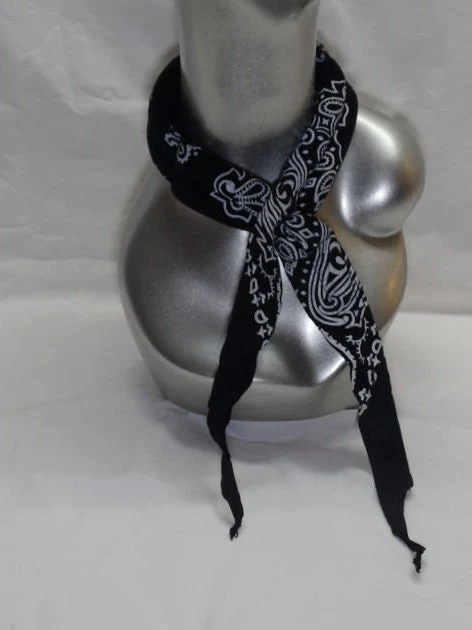
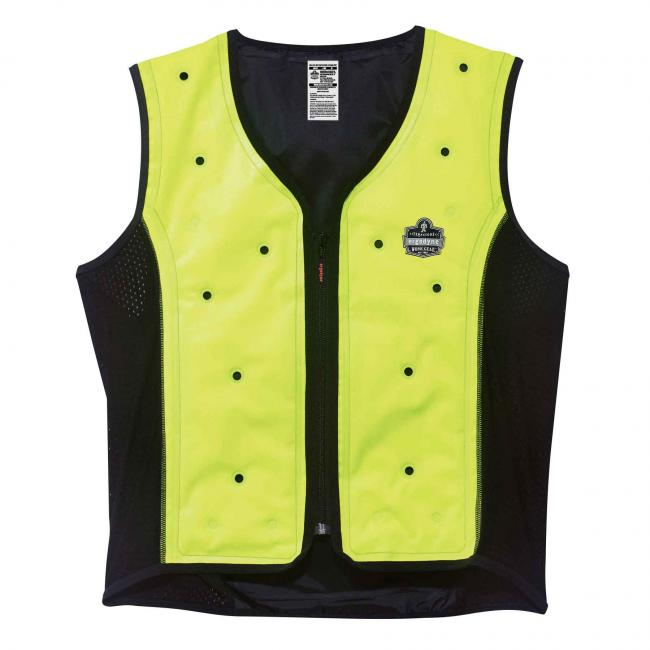
  • Cooling textiles, neckwear, and vest-style concepts.
Mid-term

Climate-control systems

  • Hydrogel-integrated climate-resilient shelter concepts.
  • Environmental stability and pressure-control systems.
  • Adaptive passive cooling systems for harsh environments.
Long-term

Adaptive built environments

  • Hydrogel-based building materials for thermal regulation.
  • Integrated solar and energy-efficiency concepts.
  • Optional exploratory concepts outside the core raise.
Investor message

The portfolio is intentionally staged. Near-term concepts are designed to generate proof, mid-term concepts expand the application family, and long-term concepts create strategic upside without diluting the first raise.

Cooling vest concept
Cooling scarf concept
Slide 7

The first 90 days are a validation sprint, not a scale-up program.

Weeks 1-3

Formulation screening

  • Select 3 to 5 candidate formulations.
  • Document swelling, rehydration, and handling safety.
  • Decide which candidates move into pouching tests.
Weeks 3-6

Bench protocol

  • Run temperature stability comparisons against controls.
  • Run produce moisture-loss tests under defined conditions.
  • Repeat to confirm signal and reduce one-off noise.
Weeks 5-8

Prototype translation

  • Build shelf-life inserts or liners with sealed packaging.
  • Stress test for leakage, handling, and cycle durability.
  • Select one adjacent climate-resilience concept for adaptation.
Weeks 8-12

Data room and IP

  • Package first-party data into investor-ready summaries.
  • Prioritize provisional filing topics.
  • Produce a go/no-go decision on the first commercial wedge.
Slide 8

Commercial path: prove the insert first, then reuse the material platform in adjacent markets.

Stage 1

Validate shelf-life inserts with simple packaging architecture and measurable outcomes.

Stage 2

Translate the best-performing material behavior into a wearable cooling concept or a climate-control insert.

Stage 3

Decide whether the business scales through direct products, licensing, or strategic partnerships once the IP and data room mature.

Who can help de-risk the path
  • Applied chemistry or materials science lab partner
  • Produce handling or storage pilot partner
  • Patent counsel experienced in materials and systems claims
  • Prototype fabricator across packaging and wearables
Decision logic
  • If shelf-life validation is weak, the platform story narrows.
  • If shelf-life validation is strong, the same hydrogel capabilities can support adjacent filings and pilots.
  • The raise is designed to answer this quickly and honestly.
Slide 9

Defensibility comes from layered IP, formulation know-how, system design, and first-party validation data.

Moat layers under development
  • Material and formulation methods, including locally sourced pathways.
  • Application-specific packaging or integration architecture.
  • Use-case-driven test data that ties material behavior to product outcomes.
  • Claim strategy that grows as the platform expands into adjacent sectors.
Important honesty line
  • Patent concepts are in development, not yet presented here as granted assets.
  • Current credibility comes from coherence, not from pretending the data already exists.
  • The raise is for lab validation plus IP conversion, not for full-scale market claims.
What investors should remember

A strong first wedge plus a coherent claim family is more believable than a room full of disconnected concepts. The platform story works only because the first proof path is disciplined.

Slide 10

Founder-led today, with targeted scientific and IP support added as the round closes.

Current leadership

Faith Cheltenham, CEO
Originating the hydrogel vision, patent direction, and investor narrative while driving first concept development.

Near-term additions
  • Materials science advisor
  • Applied chemistry or bench-lab collaborator
  • IP counsel for provisional filing strategy
  • Prototype support across packaging and wearables
Vision statement

Build a hydrogel company that starts with a practical proof point, earns credibility through data, and expands into a defensible portfolio of climate-resilient material applications.

Slide 11

Raise: $500k validation round to prove the first wedge, convert the best IP themes, and decide what scales next.

12-month outcomes
  • Generate repeatable first-party data for the shelf-life insert concept.
  • Finalize the first lab protocols and candidate formulations.
  • Convert draft IP themes into prioritized filing actions.
  • Advance at least one adjacent concept into prototype-ready form.
Use of funds
30% Lab
20% IP
20% Prototypes
15% Advisors
10% Ops
5% Buffer
The ask in the room

Capital, lab introductions, scientific advisors, IP counsel referrals, and pilot partners willing to validate the first use case under controlled conditions.